



M – F / 8:30 – 18:00
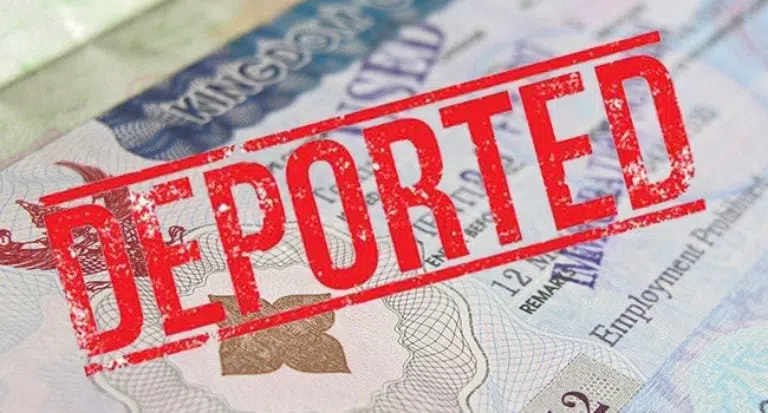
Deportation in Thailand can occur when a foreign national violates immigration laws, including overstaying a visa. Depending on the circumstances, individuals may face detention, removal from the country, and a ban on re-entry. The FAQs below explain how deportation in Thailand works, particularly in cases involving visa overstay.
The most common reason for deportation is overstaying one’s visa.
Other reasons include:
In the event of a deportation order, a competent official may require the foreigner to remain at a designated place. In some cases, the official may order the foreigner to report on a specified date, time, and place, with or without security or bond, while awaiting deportation. The competent official may also detain the foreigner as necessary.
Blacklisting means that, in addition to being expelled, the foreigner is prohibited from re-entering Thailand for a specified period, which may range from several years to permanently, depending on the circumstances.
Deportation alone may allow the foreigner to return to Thailand after the expiration or withdrawal of the deportation order, subject to immigration approval.
Overstaying occurs when a foreigner remains in Thailand beyond the permitted period of stay. It is the foreigner’s responsibility to leave Thailand or extend the visa before it expires.
If authorities apprehend a foreigner for overstaying, the individual may be detained for investigation and processing. The case may then be submitted to court, which can issue a deportation order.
Once a repatriation date is arranged, the foreigner or their representative must purchase a ticket to leave Thailand and settle transportation costs.
At the airport, immigration officers will escort the foreigner through departure procedures until boarding the flight.
Overstaying is a serious offense. If you surrender to immigration authorities after a short overstay, you will typically pay a fine. However, overstaying beyond 90 days may result in deportation and a ban from re-entering Thailand.
The length of the ban depends on:

Deportation in Thailand can have serious and long-term consequences, including detention, removal, and restrictions on future travel. If you are dealing with visa overstay, blacklisting, or a deportation order, it is important to seek legal guidance as early as possible. Our legal team can assist in reviewing your situation, coordinating with immigration authorities, and helping you take the appropriate steps to resolve your case. Contact us today to discuss your options and protect your ability to travel to Thailand in the future.
Legal Disclaimer
This information is for general guidance only and does not constitute legal advice. Immigration rules may change and outcomes depend on individual circumstances. Consult a qualified lawyer for advice specific to your case.

Over 20 years of experience handling visa, work permit, immigration, land office, and DBD matters.
Magna Carta Law Firm website uses cookies. Further details are set out in our Cookies Statement.